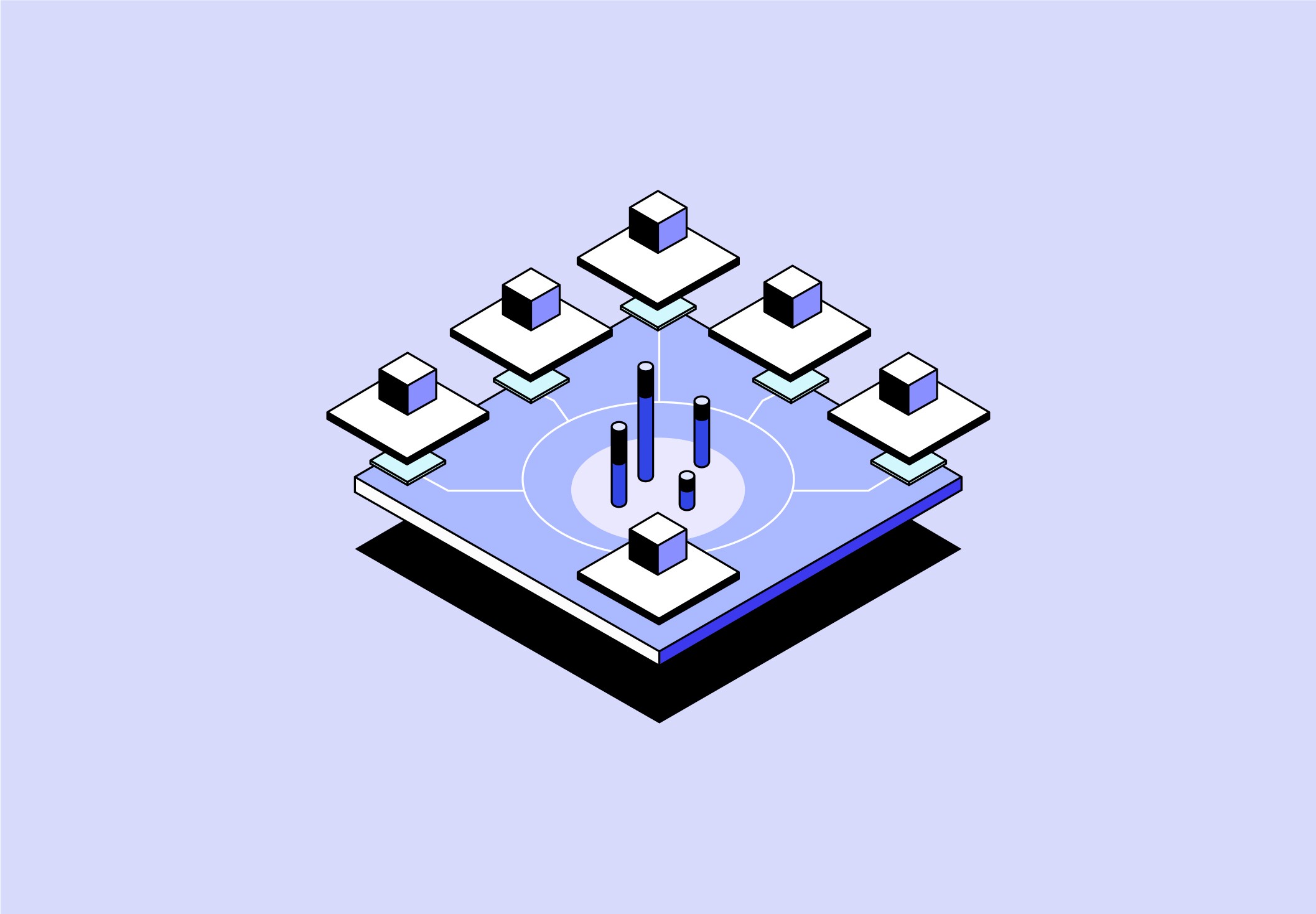
System Flow
How It Works

AERIS is a portable atmospheric water generator designed to turn humid air into safe drinking water. The system does this through four connected layers: air capture, moisture extraction, water treatment, and smart control logic. It does not simply “pull water from air” and assume it is safe. It constantly checks air quality, humidity, water quality, battery status, and filter health before allowing production or dispensing.
1. Air enters the system
The process begins when ambient air enters through the top/front intake area. This intake is designed to pull in a high volume of air while blocking rain, insects, debris, and large particles.
The air first passes through:
Intake louver / rain baffle: This protects the opening from splash, rain, leaves, and direct debris.
Coarse debris screen: This catches larger objects like insects, hair, leaves, dust clumps, and visible debris.
Replaceable dust / PM pre-filter: This removes larger airborne particles before they reach the more sensitive internal systems.
Fine particle filter: This captures smaller particulates that could contaminate the coil, water tray, or internal air path.
This matters because disaster zones are often dusty, polluted, smoky, or unstable. If dirty air enters the system unfiltered, it can clog the machine, contaminate the condensate, and reduce water output.
2. The system checks if the air is safe
Before the air is allowed into the water-generation stage, it passes through an air quality sensor gate. This sensor gate checks:
PM2.5 / PM10 particulate levels
VOC levels
temperature
relative humidity
The system then decides whether conditions are usable.
Safe mode: Air quality is acceptable and humidity/temperature are good enough. The system runs normally.
Caution mode: The air is usable, but conditions are not ideal. This could mean low humidity, high dust, or reduced efficiency. The system still works, but output may be lower and maintenance warnings may appear.
Lockout mode: The air is unsafe, especially if VOCs or hazardous contamination are too high. In this case, AERIS stops atmospheric water production and prevents unsafe water from being made.
3. Air is pulled across the cooling system
Once the air passes the safety check, an intake fan or blower pulls it across the evaporator coil. The evaporator coil is the cold side of the system. It works similarly to the cooling system in an air conditioner or dehumidifier. The refrigeration loop includes:
compressor
condenser coil
condenser fan
expansion device
evaporator coil
refrigerant lines
pressure and temperature sensors
The compressor moves refrigerant through the system. The evaporator coil becomes cold enough to bring the air below its dew point. When warm humid air touches the cold coil, the moisture inside the air turns into liquid droplets.
humid air → cooled below dew point → water droplets form
4. Condensate is collected
As water forms on the evaporator coil, it drips downward into a shaped condensate tray. The tray is important because it must:
collect water cleanly
prevent pooling
prevent leaks into electronics
direct water into the raw water buffer
reduce microbial buildup
From there, the water moves into the raw water buffer. This is a temporary holding area before purification. At this stage, the water is not considered safe yet.
Even though the water came from air, it may still contain contaminants from:
airborne pollution
internal surfaces
dust particles
VOCs
microbial growth
material leaching
5. Raw water moves through treatment
After collection, a pump moves the raw water through the purification train. The treatment path is:
Raw Water Buffer → Pump → Sediment Filter → Activated Carbon → UV-C Reactor → Mineralization Cartridge → Water Quality Check → Potable Tank
Sediment filter: This removes fine particles, dust residue, and small debris from the collected water.
Activated carbon filter: This improves taste and odor while reducing some organic compounds and VOC-related contamination.
UV-C disinfection reactor: This exposes the water to UV-C light to reduce microbial risk. It helps neutralize bacteria, viruses, and pathogens without adding chemicals.
Mineralization cartridge: Condensed water can taste flat because it has very low mineral content. The mineral cartridge adds minerals back into the water to improve taste and drinkability.
6. Water quality is verified
Before water enters the potable tank, the system checks quality using sensors. These may include:
TDS / conductivity sensor
turbidity sensor
flow sensor
UV confirmation sensor
tank level sensor
If the water passes the system’s thresholds, it moves into the clean water tank. If something is wrong, the system can:
stop dispensing
trigger an alert
recirculate water
request maintenance
enter lockout mode
This prevents users from drinking water just because the machine produced it.
7. Clean water is stored safely
The treated water enters the potable tank. The tank is:
opaque
food-safe
sealed
easy to clean
protected from light
separated from electronics and dirty air zones
Opaque storage helps reduce microbial regrowth. The tank may also include a vent filter so air can enter without contaminating the clean water. The system can also include a recirculation loop that periodically moves stored water back through UV treatment to prevent stagnation.
8. Water is dispensed only when safe
The user receives water through the front tap or fill port. The tap only works when the system confirms:
water has been treated
UV system is functioning
tank water is safe
no critical faults are active
dispense lockout is off
This makes the tap part of the safety system, not just a mechanical faucet.
9. Power runs the whole system
AERIS uses a hybrid power architecture. Power can come from:
solar PV input
external AC/DC input
onboard LiFePO4 battery
The flow is:
Solar / AC Input → Input Protection → MPPT Charge Controller → LiFePO4 Battery + BMS → DC Bus → Compressor / Fans / Pumps / UV-C / Sensors / HMI
The battery gives the system mobility and backup power. Solar helps recharge the system and extend off-grid use, but it is not treated as unlimited power. The system still has to manage energy carefully because atmospheric water generation requires a lot of energy.
10. The microcontroller acts as the brain
The microcontroller constantly monitors the system. It receives input from:
air quality sensors
temperature sensors
humidity sensors
water quality sensors
tank level sensors
filter status sensors
UV status sensors
battery sensors
door/service interlocks
Then it controls:
compressor speed
fan speed
pumps
valves
UV-C activation
display
status lights
alarms
dispense lockout
The logic is basically:
Is power available?
Is the air safe?
Is humidity high enough to produce water efficiently?
Is the tank full?
Are filters and UV working?
Is the water safe?
Should dispensing be allowed?
This is what makes AERIS feel intelligent instead of just mechanical.
11. The user interface translates the system
The user should not have to understand all of this engineering. The interface turns complex system data into simple states. UI states:
Ready to Collect
Collecting Water
Purifying
Safe to Drink
Low Humidity
Poor Air Quality
Tank Full
Low Battery
Filter Replacement Needed
Water Unsafe — Dispense Locked
Maintenance Required
This builds trust because the user can understand what the machine is doing and whether the water is safe.
Summary
AERIS pulls in ambient air, filters it, checks whether it is safe, cools it below the dew point, collects the resulting condensate, treats it through multiple purification stages, verifies water quality, stores it in a potable tank, and dispenses it only when the system confirms it is safe. The power system keeps it running off-grid, while the microcontroller manages safety, efficiency, lockouts, and user feedback.